The Focal Length vs Shutter Speed Rule

During a recent webinar I briefly touched on a rule of thumb that I’ve used for years. It connects the focal length of a lens and the shutter speed of the camera with the sharpness of a photo. It generated a few questions so let’s get some answers.

Camera shake vs motion blur
Camera shake is where the camera moves, motion blur is were the subject moves and they’re two very different things. In this post I’m focusing just on camera shake, in other words where you photograph a static subject such as a landscape or seated portrait with a handheld camera. Getting sharp shots of speeding cars is another skill all together.

The rule of thumb
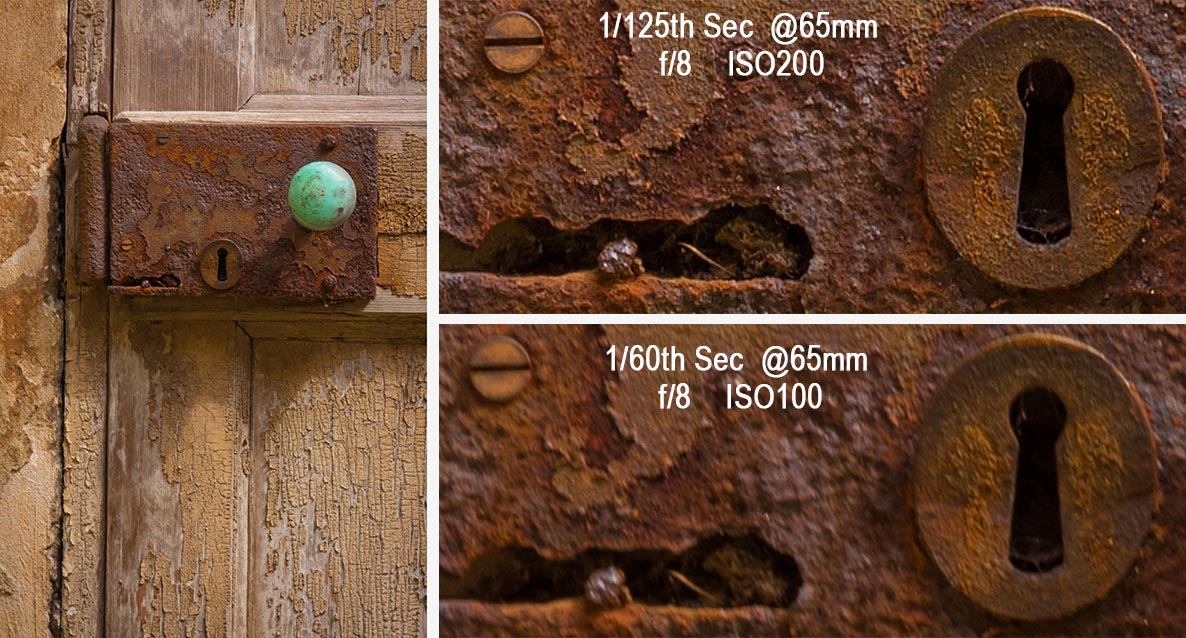
When I started in photography the rule of thumb was really simple. When hand holding your camera the shutter speed should match or exceed the lens focal length. In other words if you wanted a sharp, shake free shot with a 50mm lens your shutter speed would be 1/50th sec or faster.

Whilst that was fine in its day the world has moved on and so has my rule. Modern lenses and cameras are capable of recording very fine detail and as we all love to zoom in close we view our images with a more critical eye. Add to the mix all the different sensor sizes that will alter the effective zoom of the lens and you’ll understand why the old rule needs updating.
focal-length-vs-shutter-speed-1

The new rule of thumb
Today I use the rule of thumb that the shutter speed should be double (or more) then the lens focal length. In other words if you were using a 50mm lens your shutter speed would be 1/100th sec or faster.

To put that into the language of real world photography, if I’m using my 10mm fisheye I’m happy to shoot all the way down at at 1/20th second shutter speed but if I was shooting with a 400mm lens I’d want a whopping 1/800th second shutter speed. Which might be tricky and brings me onto my final point.

Bend the rule
Some rules are set in stone but others can be bent or broken, my rule of thumb is the later.

Does your lens have an image stabiliser (shake reduction) system, are you really good at holding your camera and is your camera a full frame sensor or bigger? If so then you can bend this rule a little, to a lot. If you use a tripod then you can totally break this rule as long as nothing is moving in your scene of course.
Home Studio Essentials – Episode 1

Very few photographers have access to a professional studio but lots of us enjoy shooting portraits and so all over the world spare bedrooms, garages and front rooms are regularly converted from their intended use into makeshift small studios.

These small spaces can produce stunning photos but they come with their own unique set of problems and challenges. More often then not the home studio photographer may also feel restricted by owning a small range of lighting gear and using friends or family as models but truth be told that’s not the handicap it might at first appear.

[youtube]https://www.youtube.com/watch?v=hR4DW7dXOsk&list=UU8Pksdbj37CdE00kmE7Z1dw[/youtube]

This is the first of a mini series of videos I’ve made for Adorama TV in which I work within the limitations of a small home studio. Over the coming weeks I’ll be dealing with the challenge of controlling light in a small space, working with amateur models and in this video, shooting without light modifiers.

For this series of videos I want you to do more then just watch it, I’m hoping you’ll get your camera and take a photo based on the ideas you see in the video. That might be the lighting set up, the models pose or the Photoshop post processing. If you do (and you’re on Facebook) then please add them to Adorama’s Facebook page. I’ll be checking it regularly and giving constructive feedback on as many as possible

Adorama-HSE-1

Gear used in this video (Links back to Adorama)

Flashpoint StreakLight 360 Ws Creative Collection (Includes flash, battery, trigger, boom etc)

Canon 5D Mark 2 

Canon 24-105L 

Frio Cold Shoe  

Black rapid RS-7 Strap 

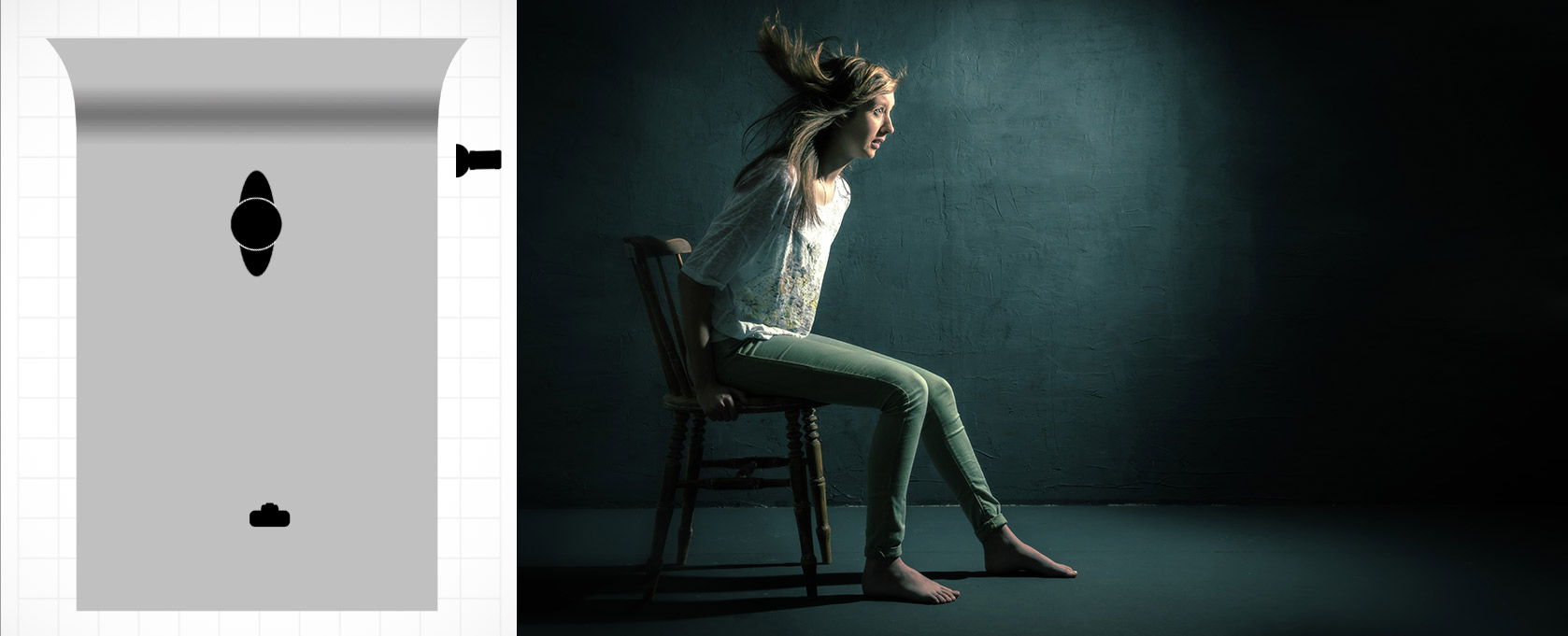
If like me you like to keep a visual record of you’re lighting set ups then this image should come in very handy.

Lighting-Diagram---Bare-Flash

Summer Workshops

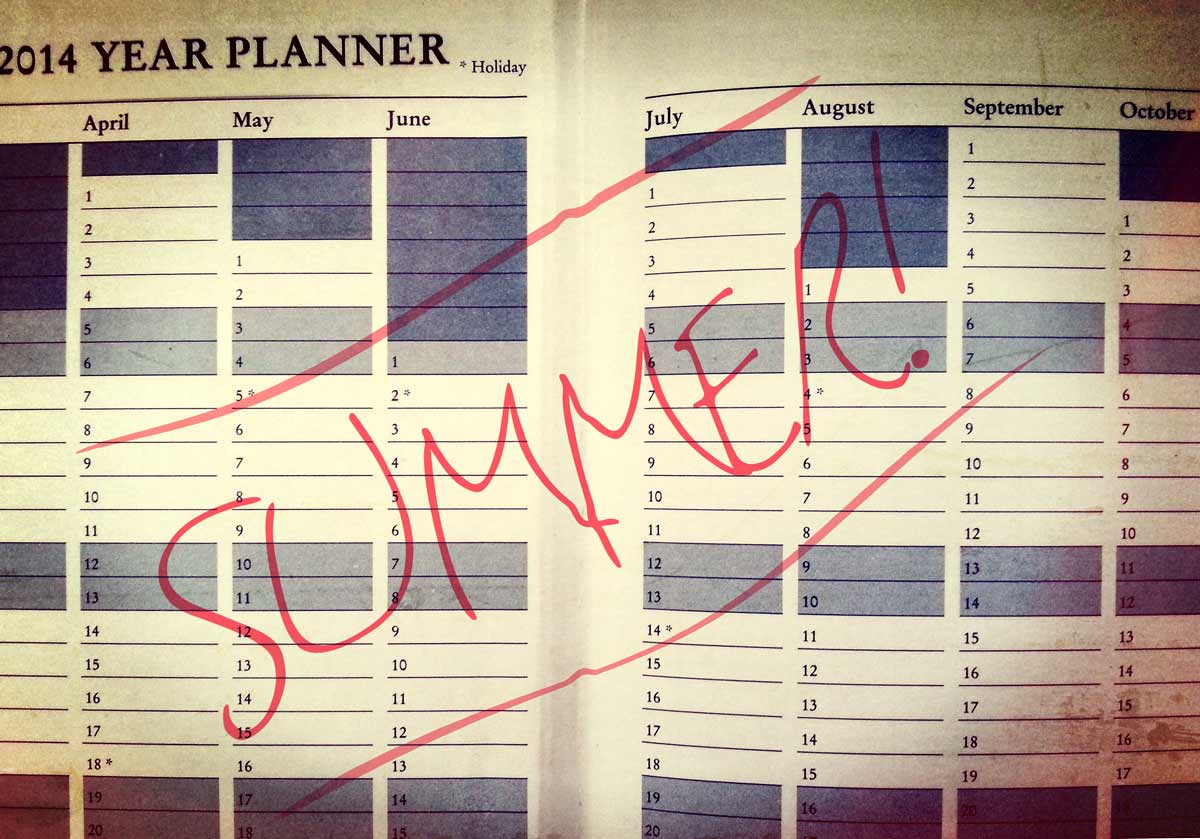
Summer-2014With summer just a round the corner I’m really looking forward to getting out and shooting some photos but I’m also excited about teaching photography and meeting photographers at some of the workshops I have around the UK. These all day events are on top of my usual evening camera club talks and are either practical workshops or all day demos, either way if you’re coming along do bring a camera, a note book and a willingness to get involved!

DATRPS-LOGOE: 15th June 2014
LOCATION: Foxton, Nr. Cambridge
DESCRIPTION: A day photography and Photoshop tips, techniques and demonstrations.
ORGANISED BY: The Royal Photographic Society
WEBSITE: http://www.rps.org/events/2014/june/15/taking-and-making-creative-photographs


WELSHOT-LOGODATE: 28th June 2014
LOCATION: Chester
DESCRIPTION: Create amazing photos by pouring, splashing and adding things to water
ORGANISED BY: Welshot Imaging
WEBSITE: http://www.welshotimaging.co.uk/event/make-create-water-workshop-gavin-hoey


WELSHOT-LOGODATE: 29th June 2014
LOCATION: Chester
DESCRIPTION: A day of photo challenges, fun and learning around the city of Chester.
ORGANISED BY: Welshot Imaging
WEBSITE: http://www.welshotimaging.co.uk/event/gavin-hoey-chester-challenge-photography-post-processing-day


Gavtrain-Logo-160x160DATE:
 20th July 2014
LOCATION: Gatwick
DESCRIPTION: Get up close and inside some classic aircraft at the Gatwick Aviation Museum,
ORGANISED BY: Gavtrain
WEBSITE: https://www.gavtrain.com


Manhattan 15 Minute Photo Challenge

So here it is, the last video from a my short visit to New York. Actually this was the first video I made whilst out there but for reasons that are a bit of a mystery to me, this has only just been uploaded to Adorama TV.

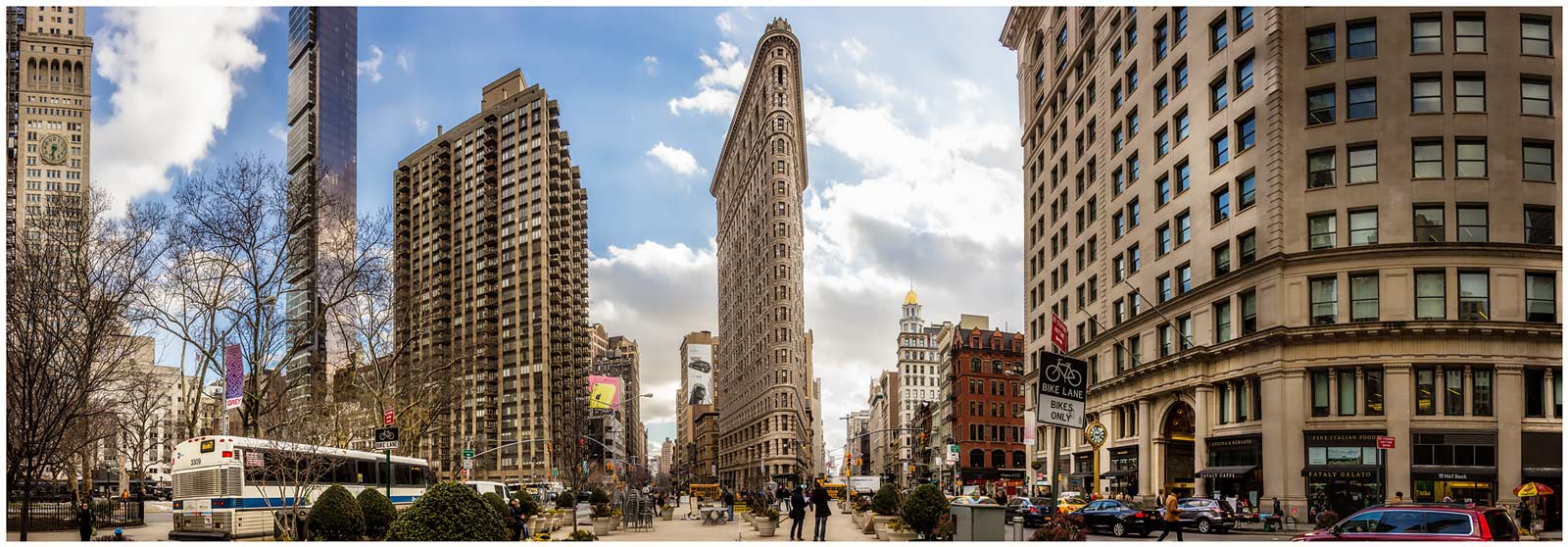
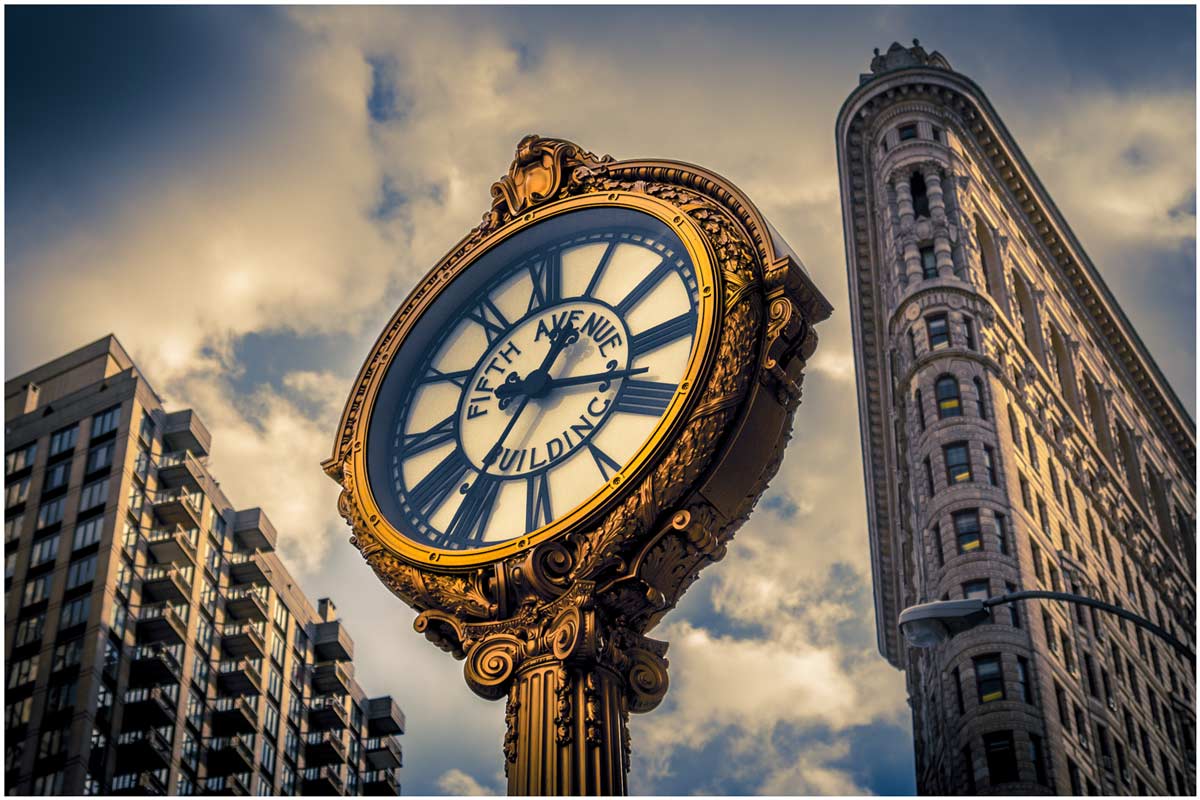
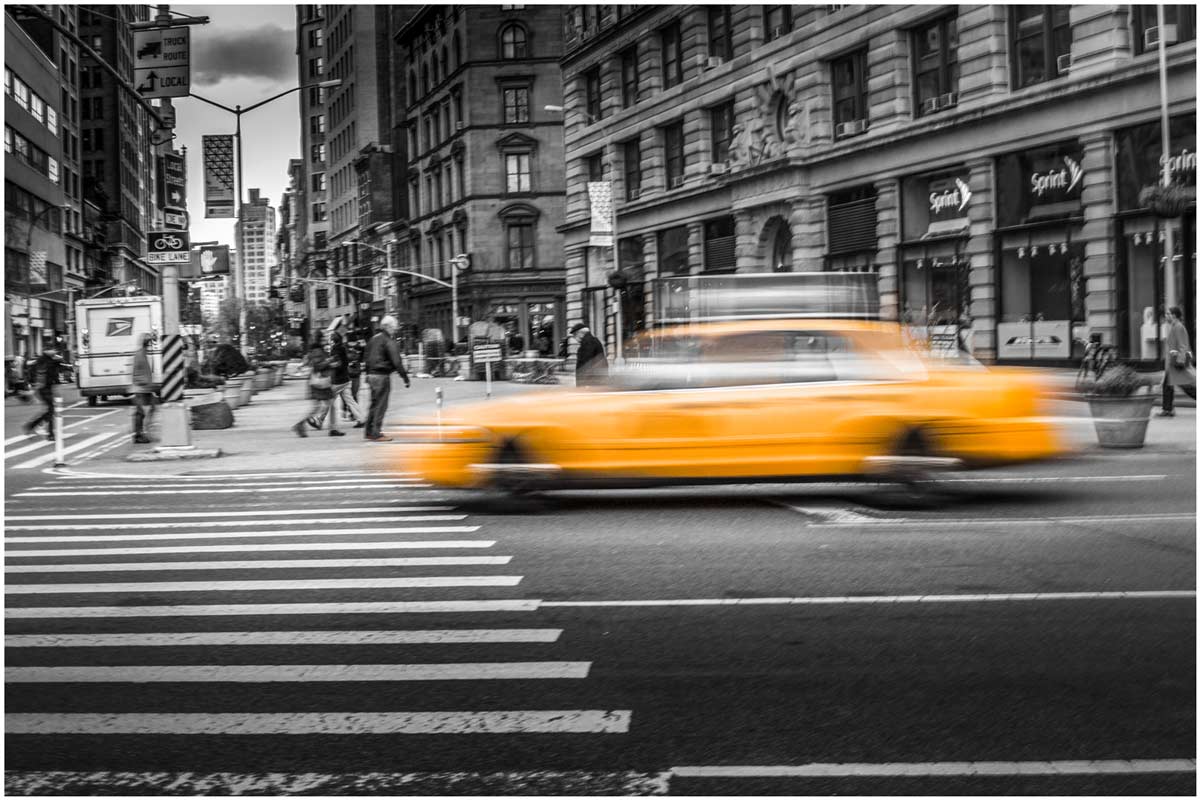
NYC-4The location for this 15 minute photo challenge was Madison Square Park (23rd and 5th) which has the iconic Flatiron building at one end. It’s just a few blocks away from the Adorama store, so when myself and Claude (Adorama’s brilliant video guy) found ourselves surplus to requirements during the set up for my Adorama TV Live workshop, we took the opportunity to shoot a 15 minute challenge video.

[youtube]http://www.youtube.com/watch?v=xEuDnBH7jQI&list=UU8Pksdbj37CdE00kmE7Z1dw[/youtube]
Can’t see the video? Click here http://youtu.be/xEuDnBH7jQI

Equipment used in this video (Links to Adorama)

Canon 60D 

Canon 24-105L

Black Rapid Curve (RS-7) Strap

NYC-3NYC-2NYC-1

Building a DIY studio background

For a long time I’ve fancied the idea of adding a grungy textured background to my studio but due to the limited space available I’ve stuck to using a white vinyl and black fabric backdrops. Now these have worked really well for me over the years but there comes a time when you want to break free and recently I got a great excuse to do just that.

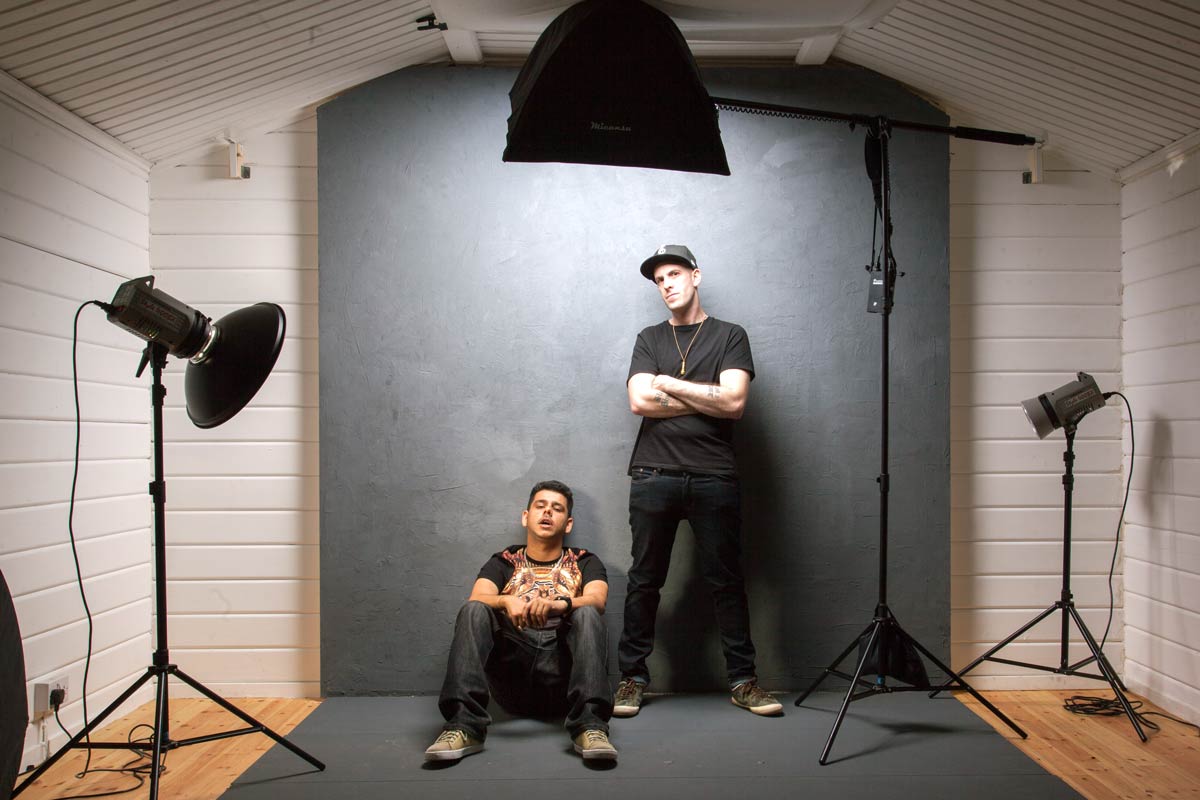
I’m currently in the middle of filming a mini-series of videos for Adorama TV all about shooting portraits in a small studio, something I know a lot about. You’ve probably seen my log cabin studio in various videos before so in order for this series to look and feel different I bit the bullet and built my dream textured backgroundKings-of-Sussex-5

The Plan
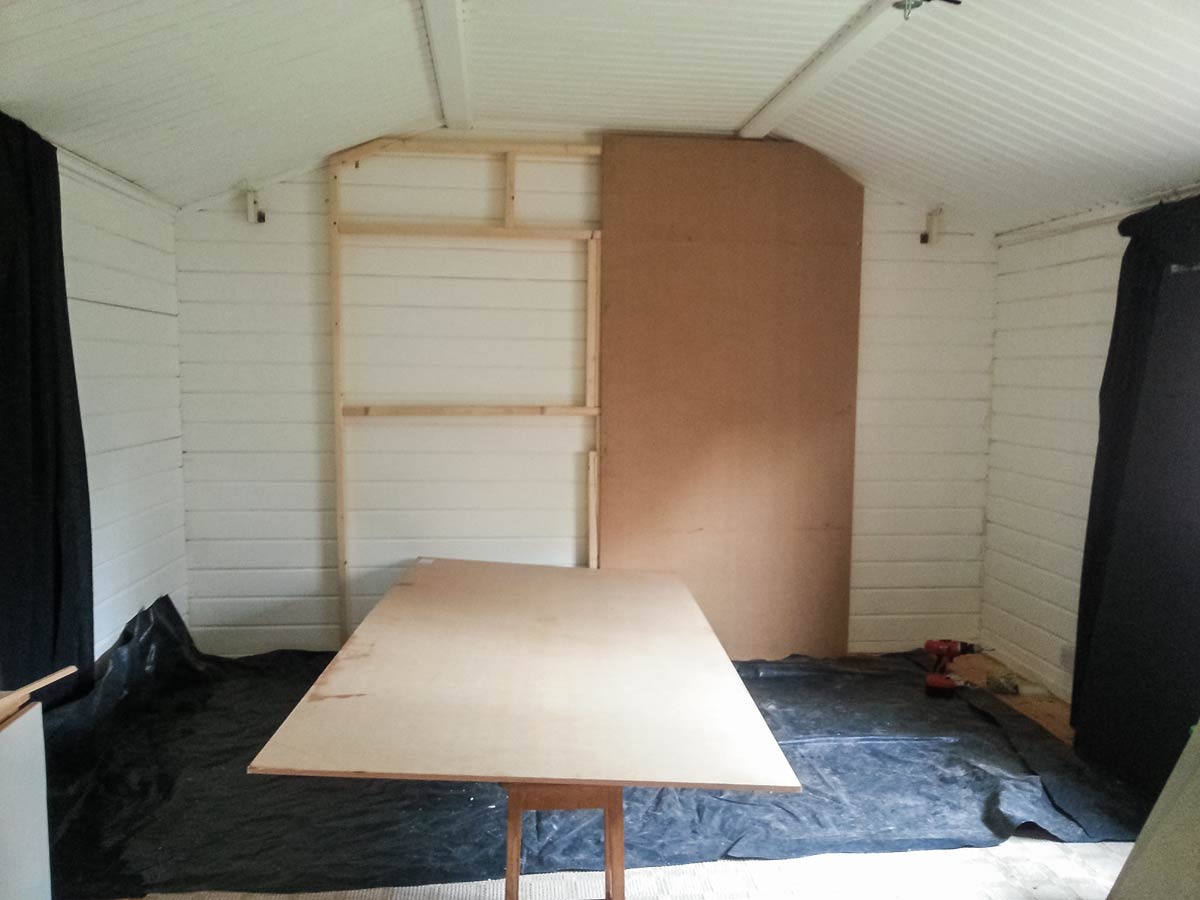
I’m a reluctant DIY guy, so if you’re looking for plans, specifications and a fool proof guide to building a background this ISN’T it. After clearing out my old background and removing anything breakable from the area I went online and ordered a bunch of stud work timber, two 2400mmx1200mmx12mm sheets of MDF and three 2400mmx800mmx18mm T&G chipboard sheets for the floor. I ordered them from a well known DIY store chain, paid a whopping £25 for next day delivery and got them four days later… but that’s another story.

DIY-Background-2

The Build
The idea was to make the background 8 feet (2.4 meters) square but my studio roof height made that impossible, so the frame work “evolved” to fit my needs. One thing I know all too well is log cabins move, even heavy duty ones like mine. So my background is almost free floating rather than permanently attached to the wall.

The MDF panels needed the corners cut too (wearing a mask to avoid inhaling the dust) and screwed to the frame.  I then primed the MDF with a coat of PVA glue and water mixed together and left it to dry overnight.

The Texture
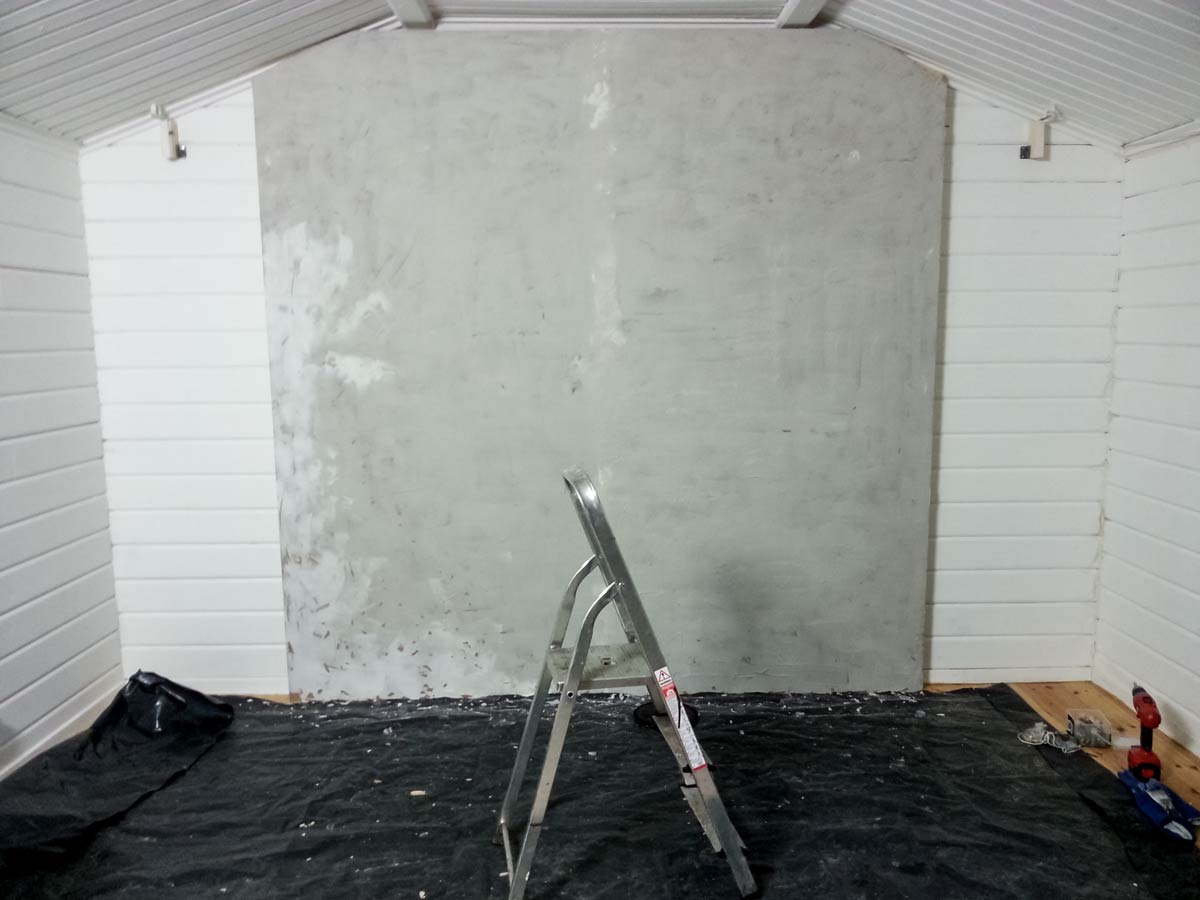
The texture I was going for was a grainy concrete feel. Choosing what material to use was tough. I had no idea of what might work best but I knew it would need to stick to vertical surfaces and be flexible enough to withstand a few knocks without cracking too much or bits falling off.

I settled on a flexible tile adhesive from Dunlop. It did everything I needed and best of all it was pretty cheap.  All I had to do was slap it on the MDF and try not to get it too smooth or too rough, not as easy as you might think. Too smooth and the effect would be lost, too rough and it could do some damage to a model or their clothes.

DIY-Background-3

Finishing Touches
Once dry the last job was to give it a coat or two of Matt Grey paint which was randomly added to with a lighter colour for a mottled effect. The mid grey colour is perfect in a small studio as I can add or restrict light to make it appear black or white. I can even add gels to my lights for a splash of funky colour if required.

All in the cost was around £100 for materials and about three days’ work.

In Use
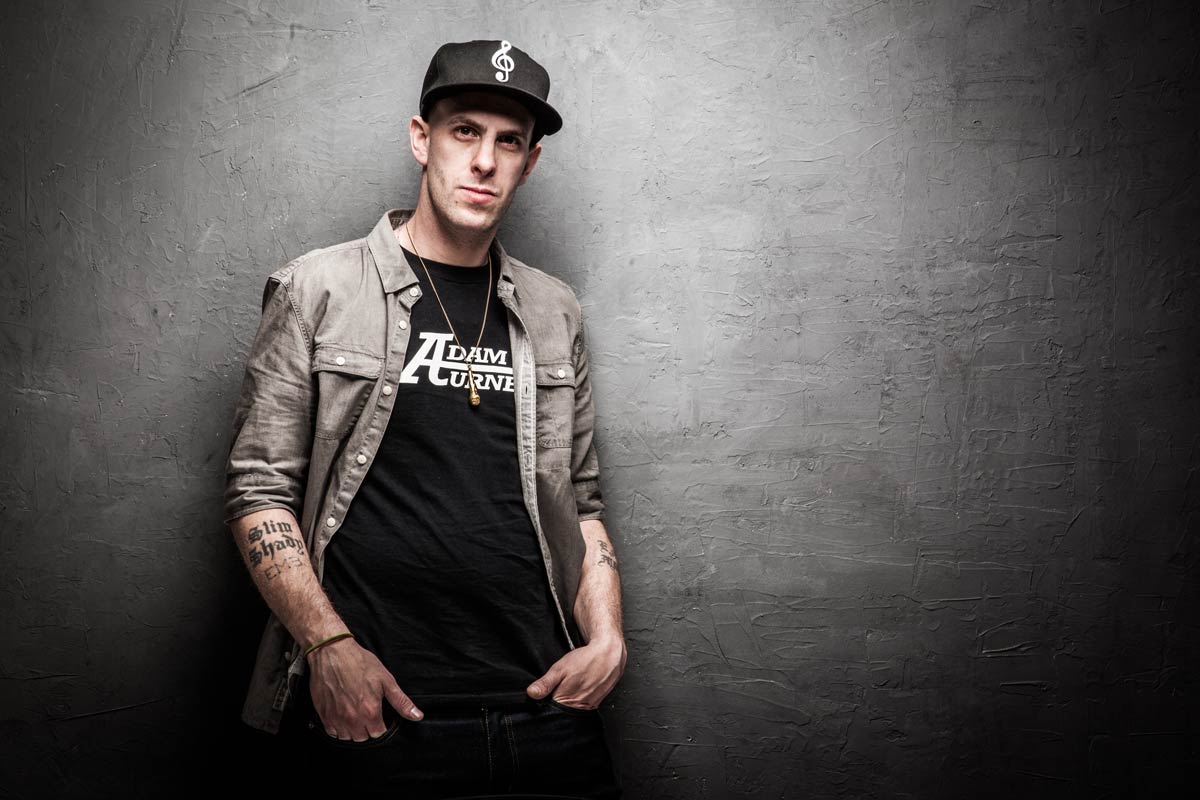
The end results is perfect for my needs. With hindsight I’m not sure MDF was a great choice of wood but it’s working for me.

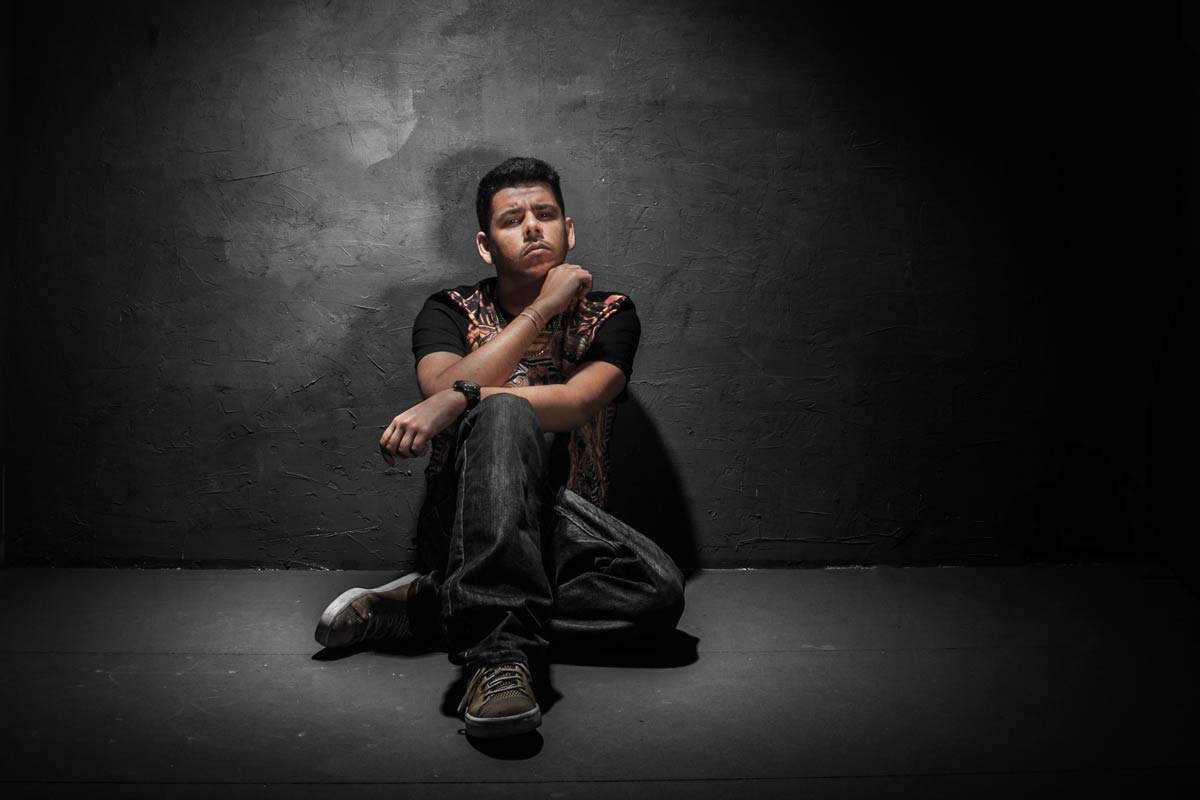
Here’s a few photos of the background in use!

Kings-of-Sussex-3
Joel-1


IF-E-1

Walking Brooklyn Bridge

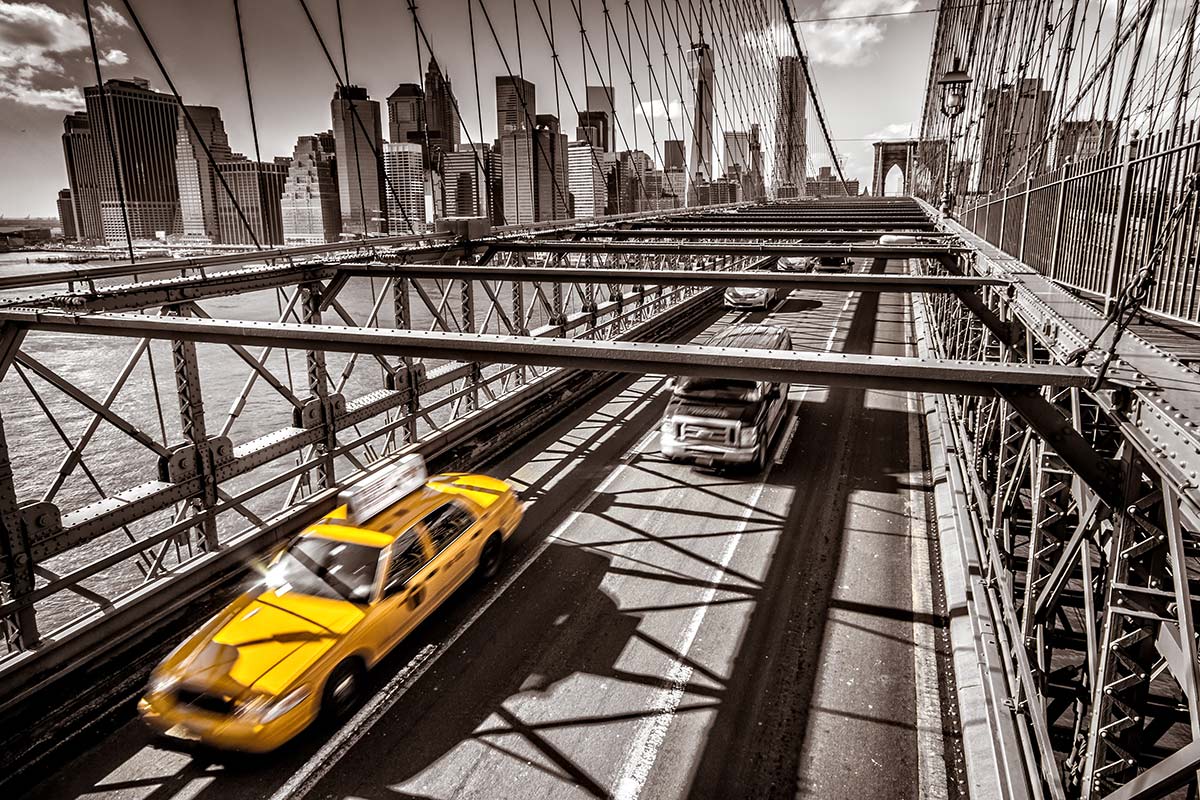
It’s been just over two months since I made a flying visit to New York and the third of my four videos from the visit has recently been released by Adorama. This time I take a walk around and part way across the iconic Brooklyn Bridge to see what photographs I can find.

Brooklyn-Bridge

To say the weather was cold is an understatement, in fact just a few hours earlier it had been snowing. Fortunately the weather cleared, the sun came out and the opportunity to visit the bridge was one I couldn’t resist.

[youtube]https://www.youtube.com/watch?v=PLsKdJIsHT8&list=UU8Pksdbj37CdE00kmE7Z1dw[/youtube]
Can’t see the video? Click here http://youtu.be/PLsKdJIsHT8

I have to say a huge thank you to Claude, Adorama’s video guy. It was thanks to his local knowledge and ability to work in sub zero temperatures that made this video possible.

Equipment used in this video (Links to Adorama)

Canon 60D http://www.adorama.com/ICA60D.html?KBID=67338

Sigma 10mm-20mm http://www.adorama.com/SG1020EOS.html?KBID=67338

Speedlights, brollies and zooming flashes

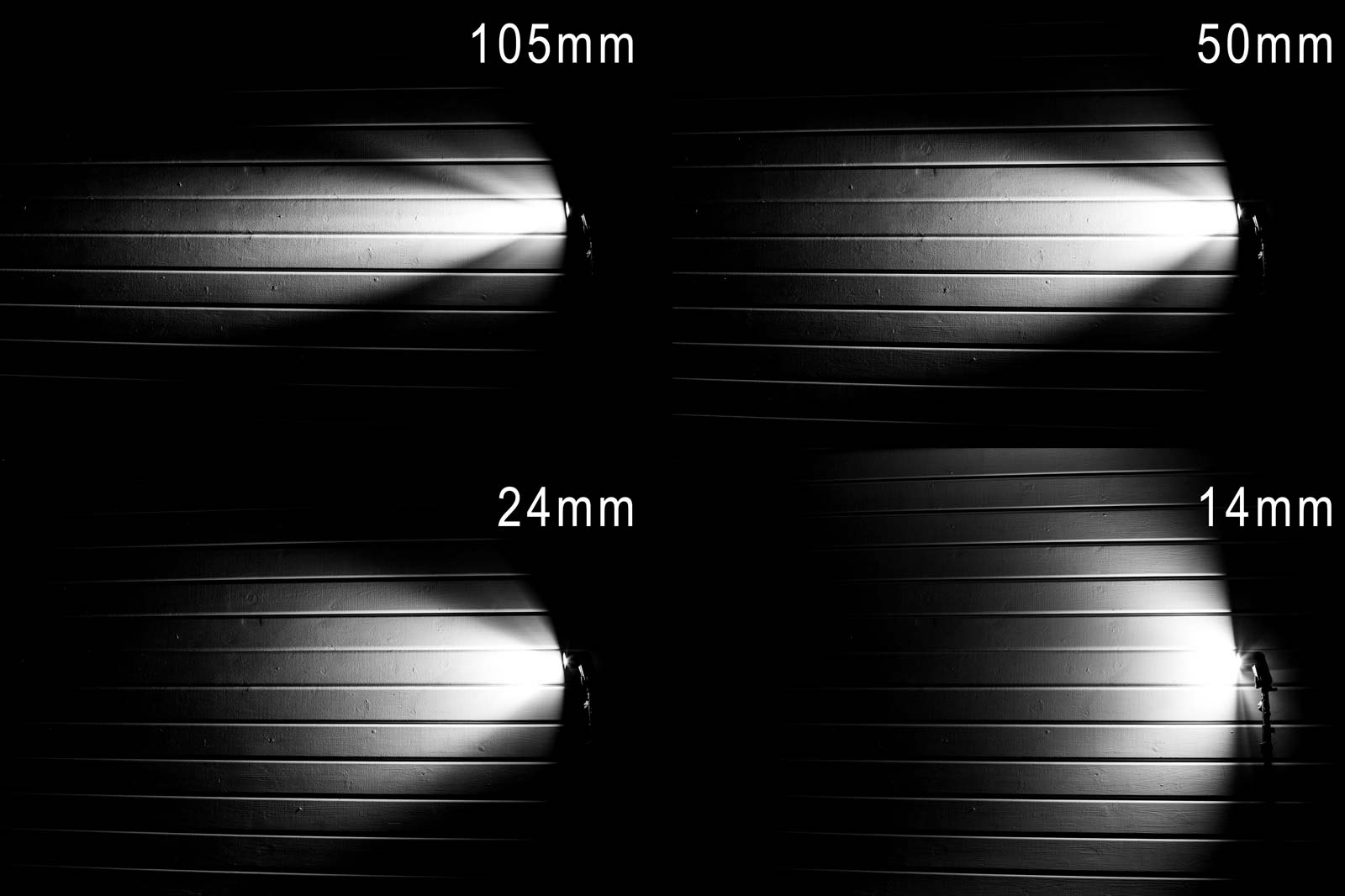
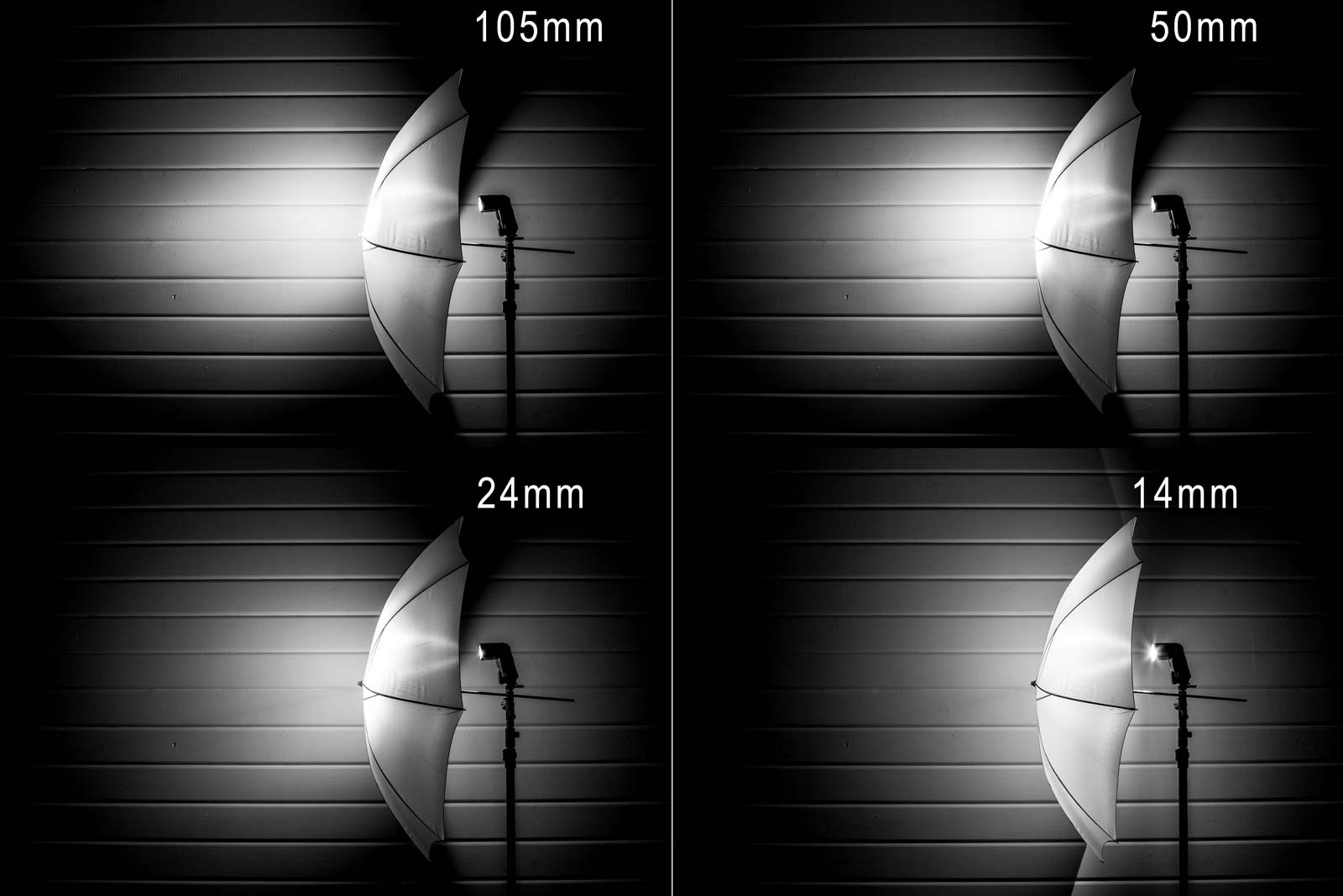
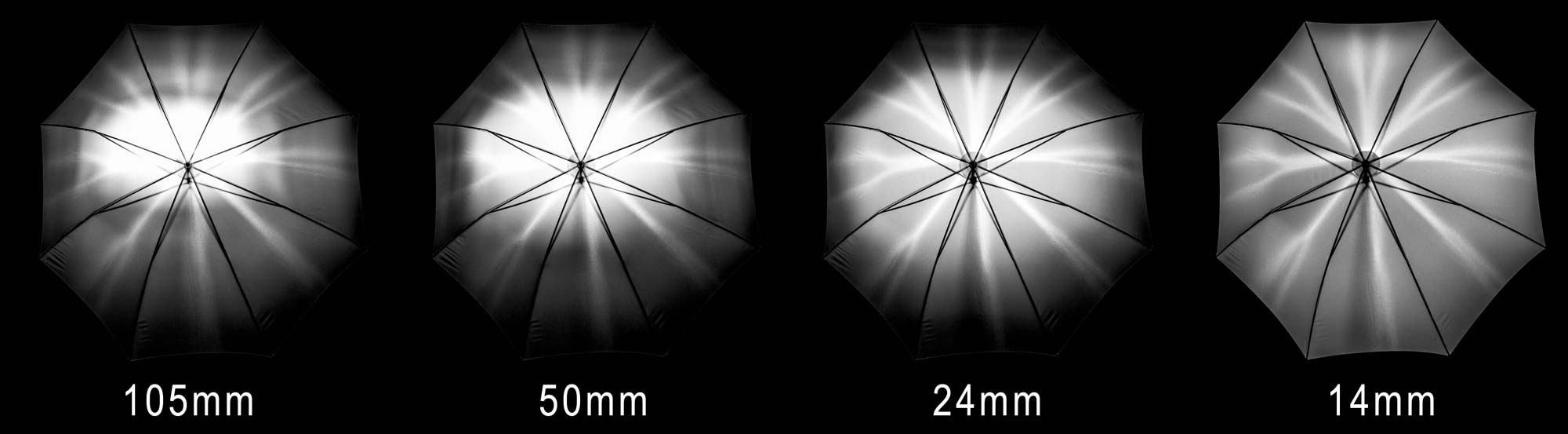
If you’ve used a Speedlight then you’ll have spotted the zoom setting which can be used to make the spread of light from the flash match the angle of view from your lens. When it comes to on camera flash that’s great news as it helps to maximise tFlash-Bare-1he efficiency of the flash but go off camera and it’s something that can easily get over looked. Setting the zoom for off camera speedlite work is one of the handy tools in a photographer’s bag of tricks. It can be used to shape the light into a tight rectangle or spread it wider and rounder. Most speedlight’s even have a pull out diffuser for a crazy wide spread of light. So what should you do with the zoom setting when you’re shooting your flash into an umbrella or softbox? In a nutshell I tend to zoom out to the wider end of the flashes zoom range but I wanted to see how things changed at different zoom settings so I did a little experiment. Flash-Brolly-1 Let’s start with the side view. At my Canon 580EXII’s maximum zoom of 105mm the flash is diffused fairly well but it’s noticeably bright in the centre with a lot of fall off at the edges. Things don’t change much even at 50mm zoom but by 24mm zoom the light spread from the umbrella is a lot more even. Flip out the wide angle diffuser and zoom reads 14mm, now that’s wide! The resulting light is amazingly soft and diffused but it’s so wide it actually passes the edges of the umbrella completely! Flash-Softbox-1 It’s the front view which probably make things clearest. The hot spot at 105mm to 50mm is clear to see. At 24mm the flash coverage is better but at 14mm it’s very VERY even. So what conclusions can I draw from this? Well the obvious one is don’t zoom the flash when using an umbrella or softbox. 14mm looks very tempting but one thing to note is the flash power was roughly a stop less than at 24mm. So I’ll be sticking to 24mm for my brollies but I might consider going for 14mm in softboxes when I can accept shallower depth of fields or higher ISO in my photo.

How to shoot through windows without reflections

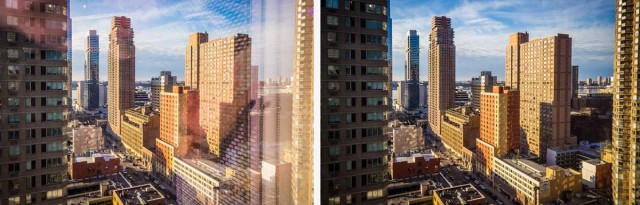
Earlier this year I made my first ever visit to New York and one of the things I put on my “to do” list was capture some great shots of the New York skyline. Wih that in mind I spent a long time researching hotels that had great views. Now there’s no shortage of hotels in New York and some of them have unbelievable views which come at a sky high price but eventually I settled on the Yotel Times Square. I paid a few dollars extra for a room towards the top of the hotel and sure enough the view from the 22nd floor was stunning.

Reflection-daylight

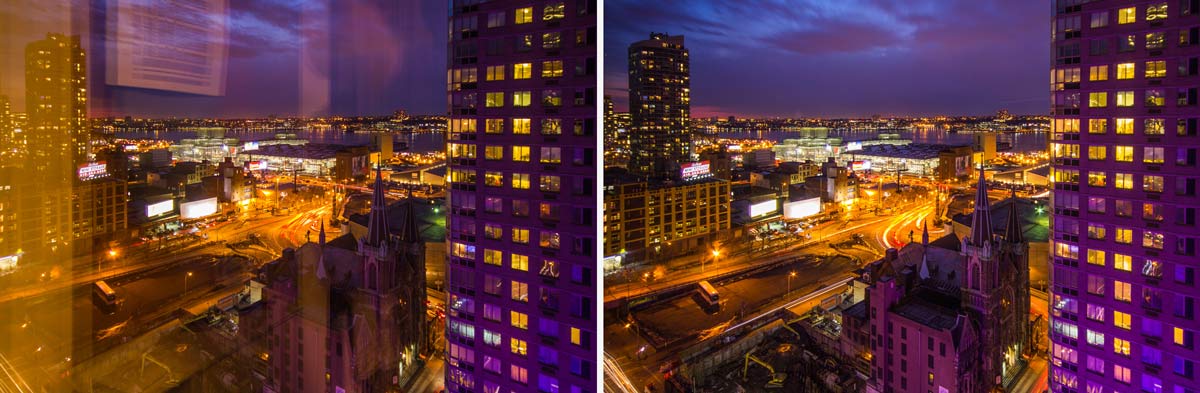
Like all modern hotels the Yotel came with lovely big windows which gave a great view but horrible reflections. Fortunately reducing the reflections and even getting rid of them completely isn’t too difficult, especially if you follow my simple steps in the video below.
[youtube]https://www.youtube.com/watch?v=b3q6aIBc_cc&list=PLwm6LvGc5xq3_BqxMpqpGyxYdJJMQE1mM[/youtube]
Can’t see the video? Click here http://youtu.be/b3q6aIBc_cc

The daytime view was always beautiful but just after the sunset it became amazing, especially with the huge purple neon “Yotel” sign which reflected off the surrounding buildings. The only regret I have is that the view from the rooms on the other side of the Yotel were potentially even better… and that sounds like a good reason to return to me.

Reflection-Night

Equipment used in this video (Links to Adorama)

Canon 60D http://www.adorama.com/ICA60D.html?KBID=67338

Sigma 10mm-20mm http://www.adorama.com/SG1020EOS.html?KBID=67338

Vanguard 284CB100 Tripod http://www.adorama.com/VGALTA284CB.html?KBID=67338

Adorama TV LIVE!

It’s been a busy few weeks for me with trade shows and travel filling my diary. Top of the list was a flying visit to the Adorama store in New York, a city like no other!

I’ve never been to New York before but of course I’ve seen it many times before. I’ve seen it in Hollywood movies, I’ve seen it in music videos and I’ve seen photos taken by other photographers but nothing compares to actually being there… I absolutely loved it!

The main reason for the visit was both to meet the amazing people who work at Adorama and to talk to the brave group of photographers who endured the freezing New York weather to spend a few hours with me. If you were there I’d like to thank you for making me feel so welcome.

The Adorama team wanted to share the event with those that couldn’t attend in person and so they organised a live stream.

[youtube]http://www.youtube.com/watch?v=0HVBEk2fI5E&feature=share&t=7m11s[/youtube]
The video above is about 90 minutes long and is a recording of my lighting demo on how to get the best from just one light. You can skip the first 7 minutes as they are blank!

Not having done live streaming before there were a few technical glitches, particularly with the audio but that aside the video contains 90 minutes of amazing tips.

Adorama-TV-LIVE-1

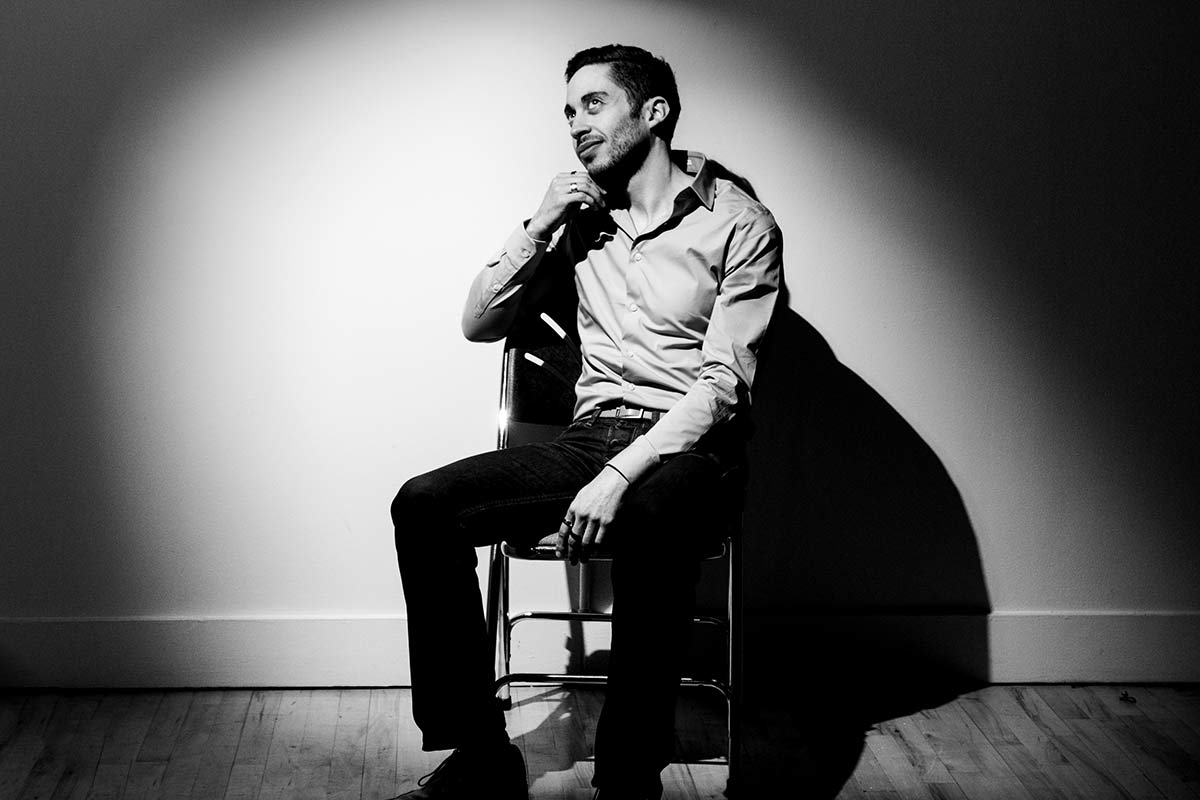
My model is an Adorama employee called Damian who excelled himself by being amazingly patient and a total pleasure to work with. All the photos you can see in the post are the actual shots taken during the Live Stream.

Adorama-TV-LIVE-2

I’d like to say a huge thank you to Adorama for making the event happen, particularly to the team who worked tirelessly before, during and after the live event. I won’t embarrass them by naming them directly but they know who they are and I’m hugely grateful for all that they did.

Adorama-TV-LIVE-3

A Splash of Lemon

Winter round these parts usually means short days, long nights and inclement weather which makes for a tough time for us photographers. So here’s a photo project that you can take at any time and whatever the weather.

Lemon-Splash

The technique makes use of a single flash to freeze the moment a slice of lemon splashes into a glass of water. No flash? Well you might be able to do this with a super bright light but to hit the really fast shutter speeds needed to freeze the action you’ll need to bump up your ISO and open up the aperture. Flash really is the way to go as you’ll get sharper shots with a bigger depth of field and be able to use a nice low ISO.

I’m using glass “ice cubes” real ones are fine but they will float. So either pack them in tight or use a bigger, heavier piece of lemon (other fruit slices can be used too). Alternatively lose the ice and use fizzy water, the idea is simply to put some texture in the glass and how you do that is up to you.
[youtube]http://youtu.be/9GxRwBxc8-8[/youtube]

Equipment used in this video (Links to Adorama)

Adobe Photoshop Lightroom V5 Software, Windows and Mac OS

Canon EOS 60D Digital SLR Camera

Canon EF 24-105mm f/4L IS USM AutoFocus Wide Angle Telephoto Zoom Lens

Enlight photo Frio Universal Locking Cold Shoe V2

Canon RS-60 E3 Remote Switch (2′) for Canon Sub-Mini (E3)

Flashpoint Universal Swivel Holder -Umbrella holder

Vanguard Alta Pro 284 Carbon Tripod with SBH-100 Ball Head

Flashpoint 6.5′ Black Lightstand, 5/8″ Top Stud

Flashpoint 40×60″ Collapsible Disc Background